“Research, research, research”
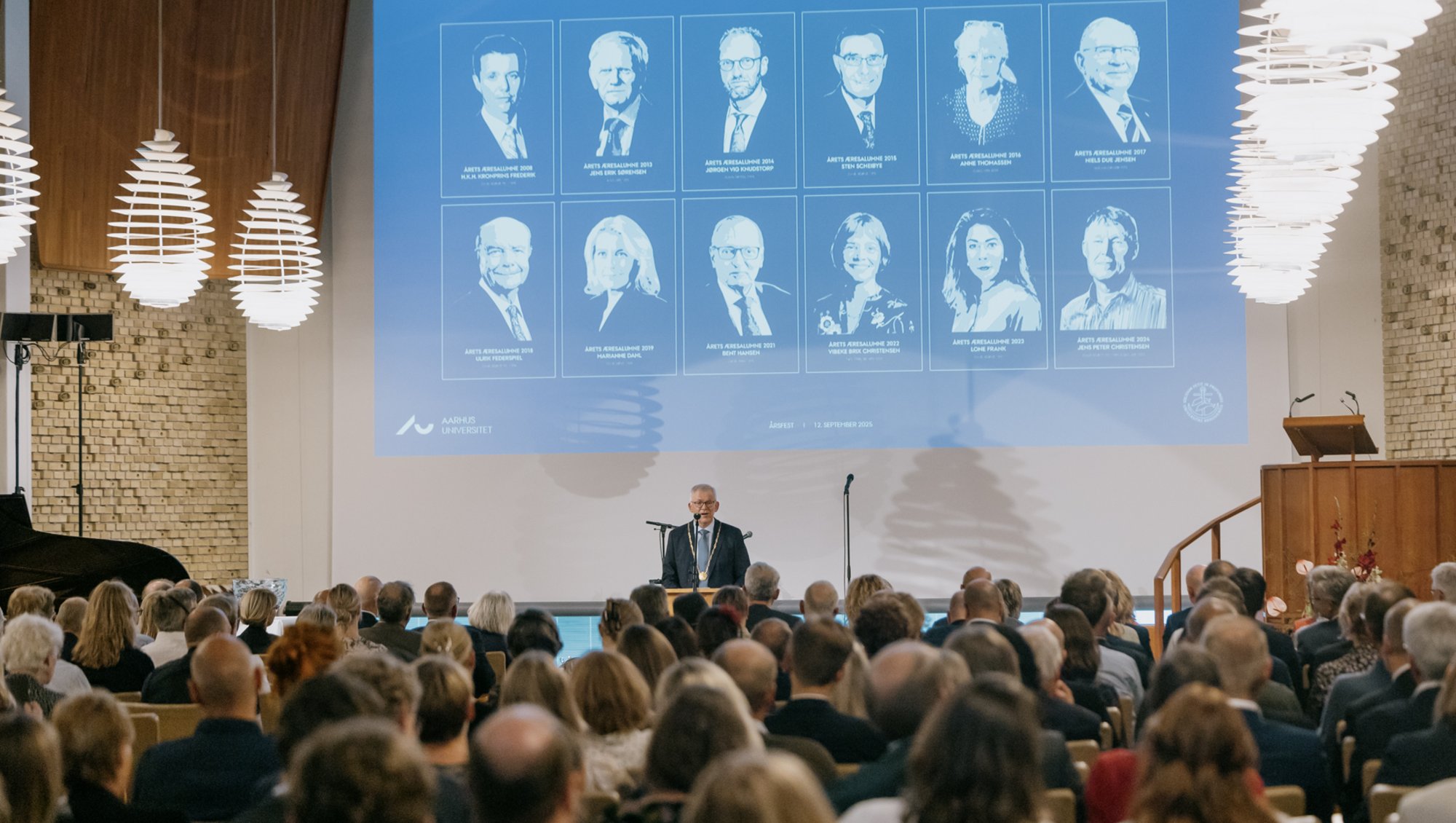
Aarhus University celebrated its 97th anniversary with beer bowling and a ceremony in the Main Hall. While students played drag bingo in the University Park, the chair of Aarhus University’s board called for political courage to invest in independent basic research, and the rector saw the opening of the Presidency of the Council of the EU as a pat on the back for the university and its role in society. Read about the day of celebrations here.

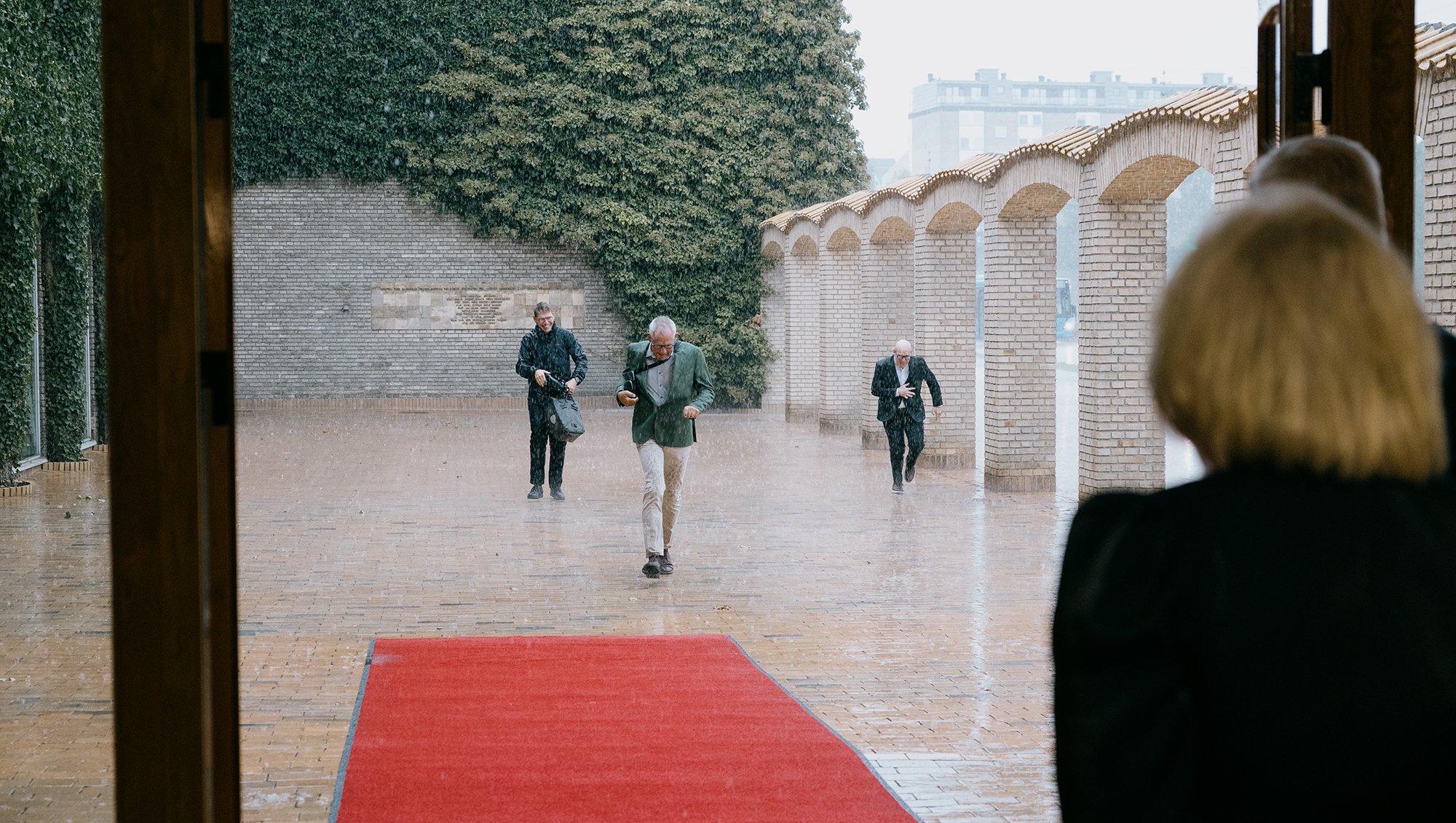
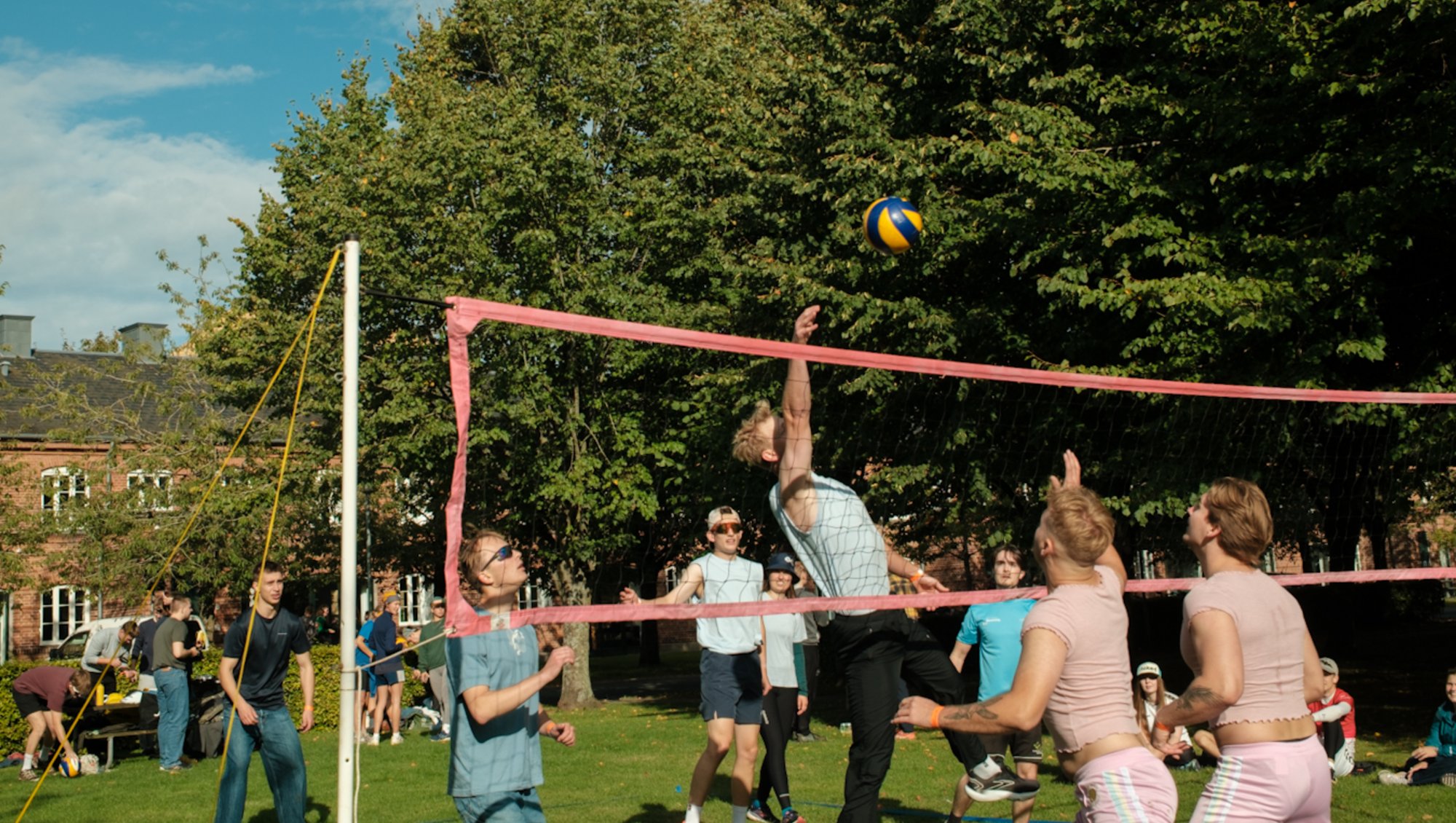
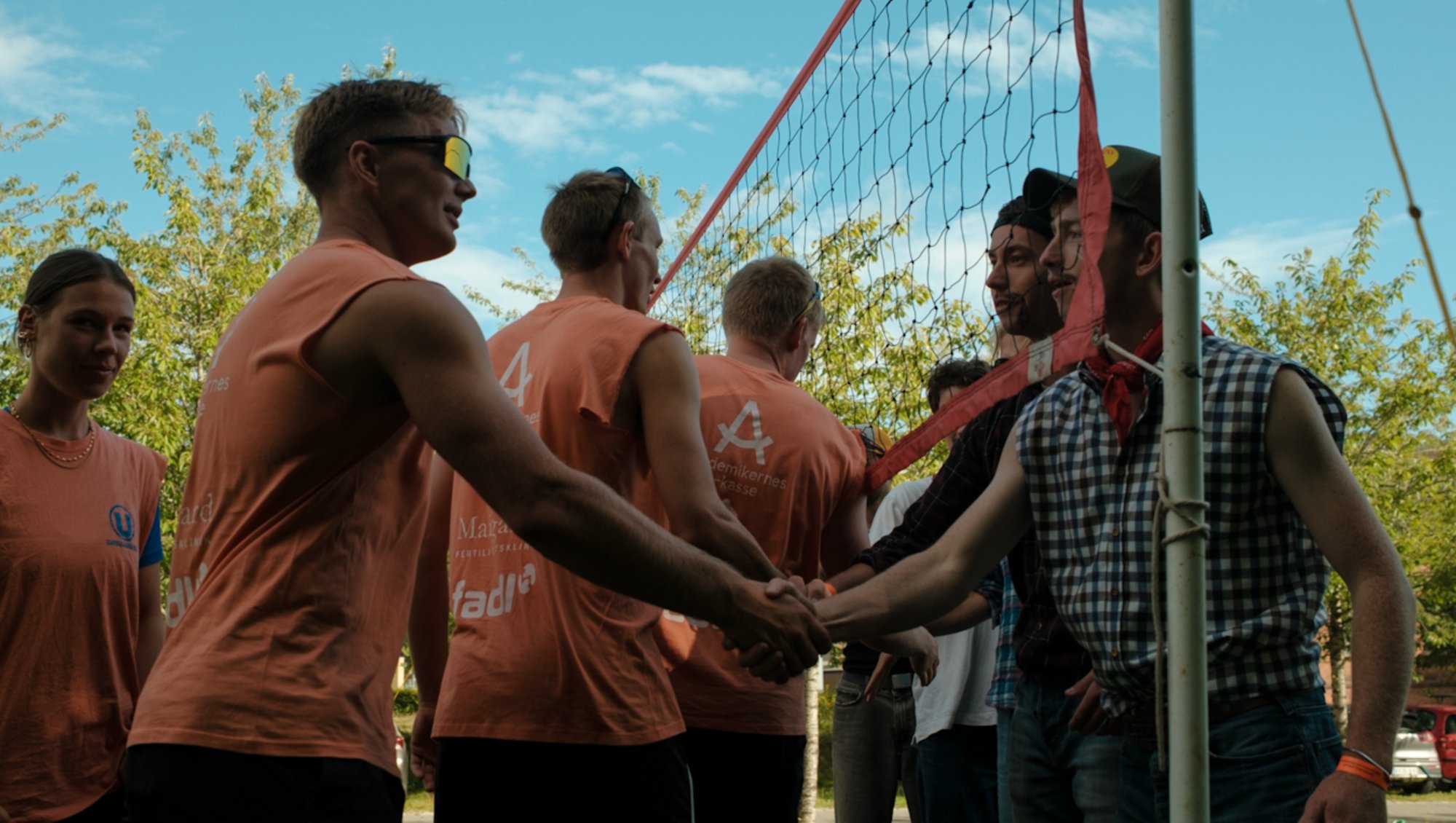
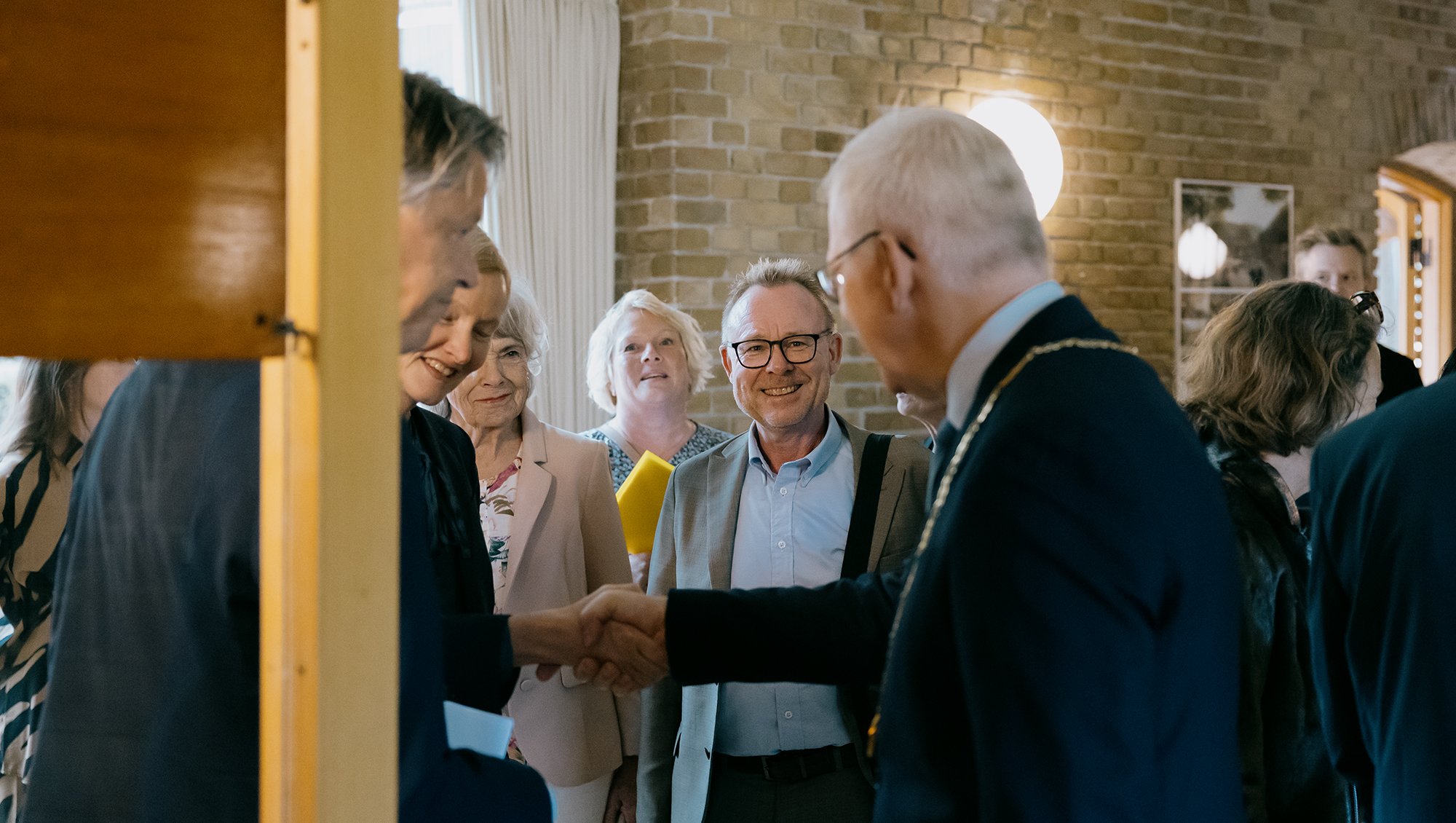
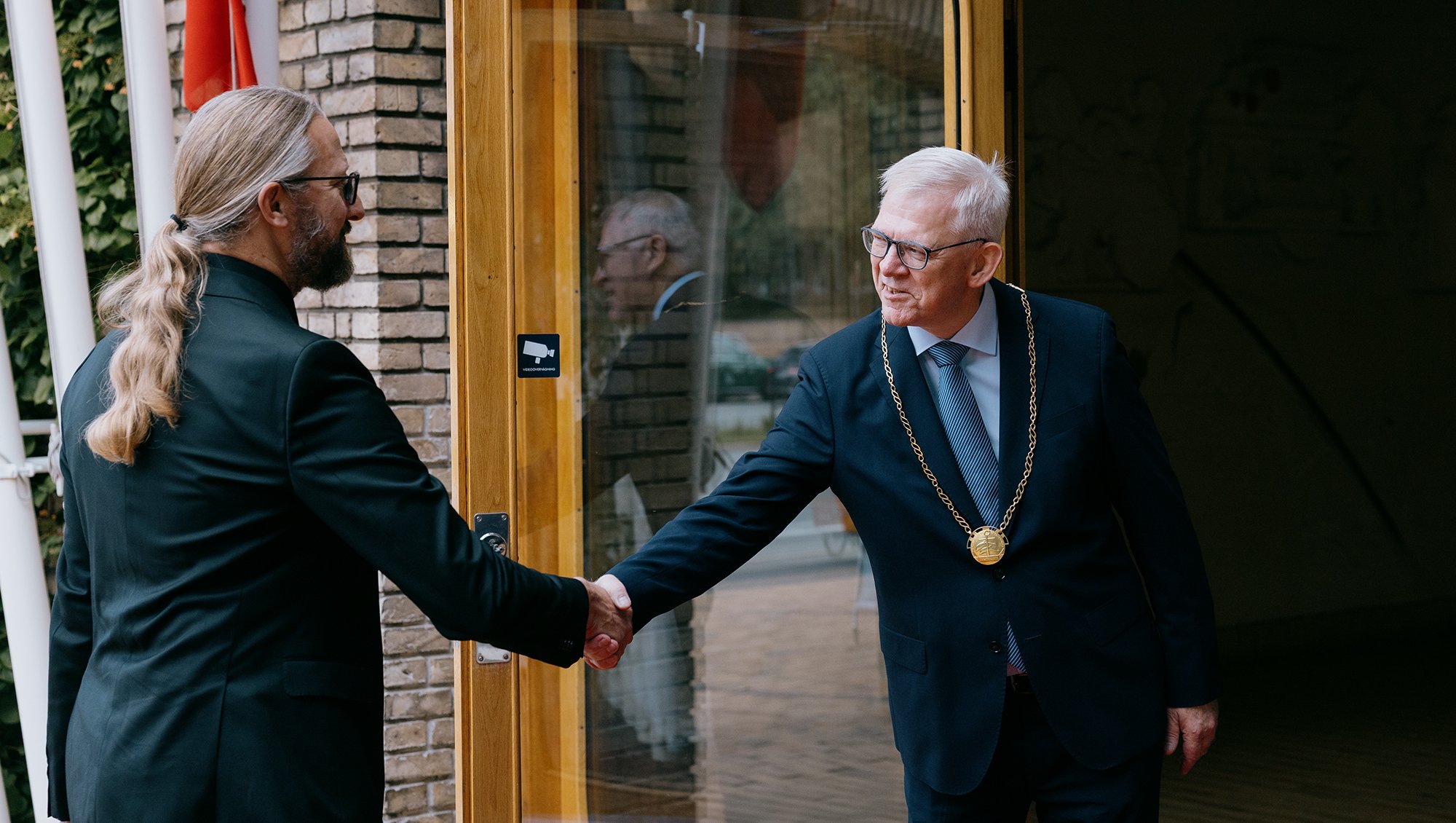
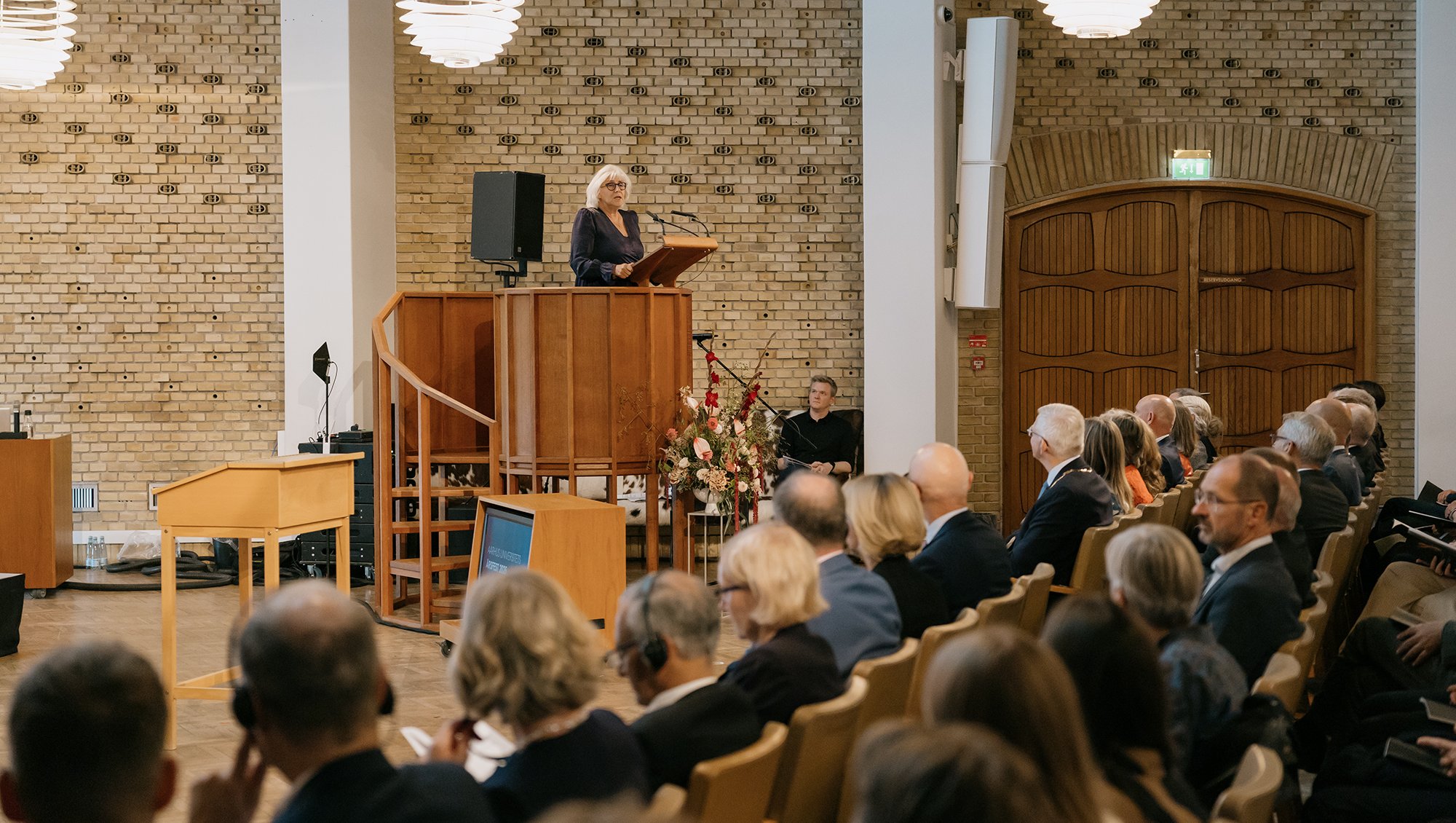
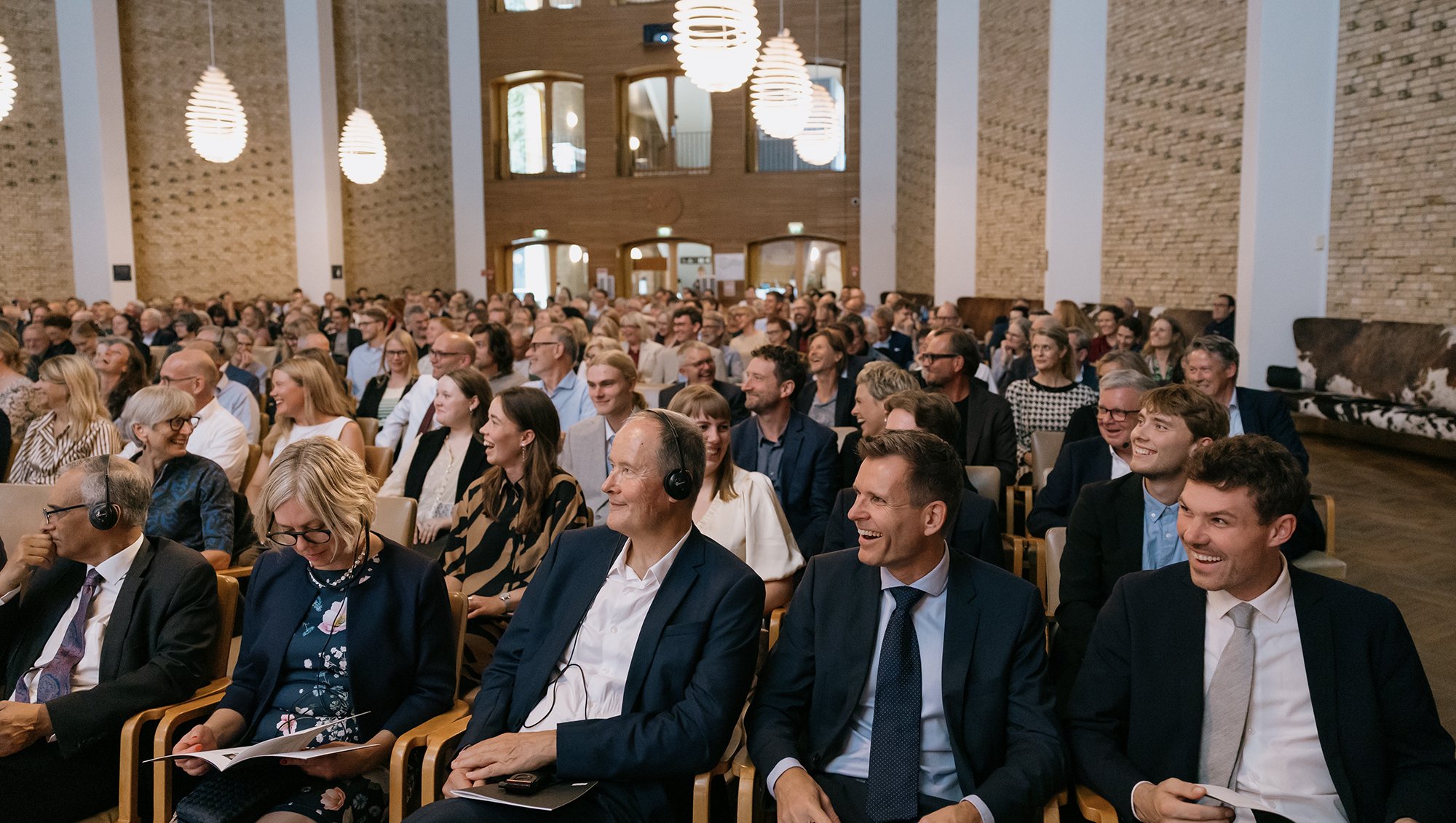
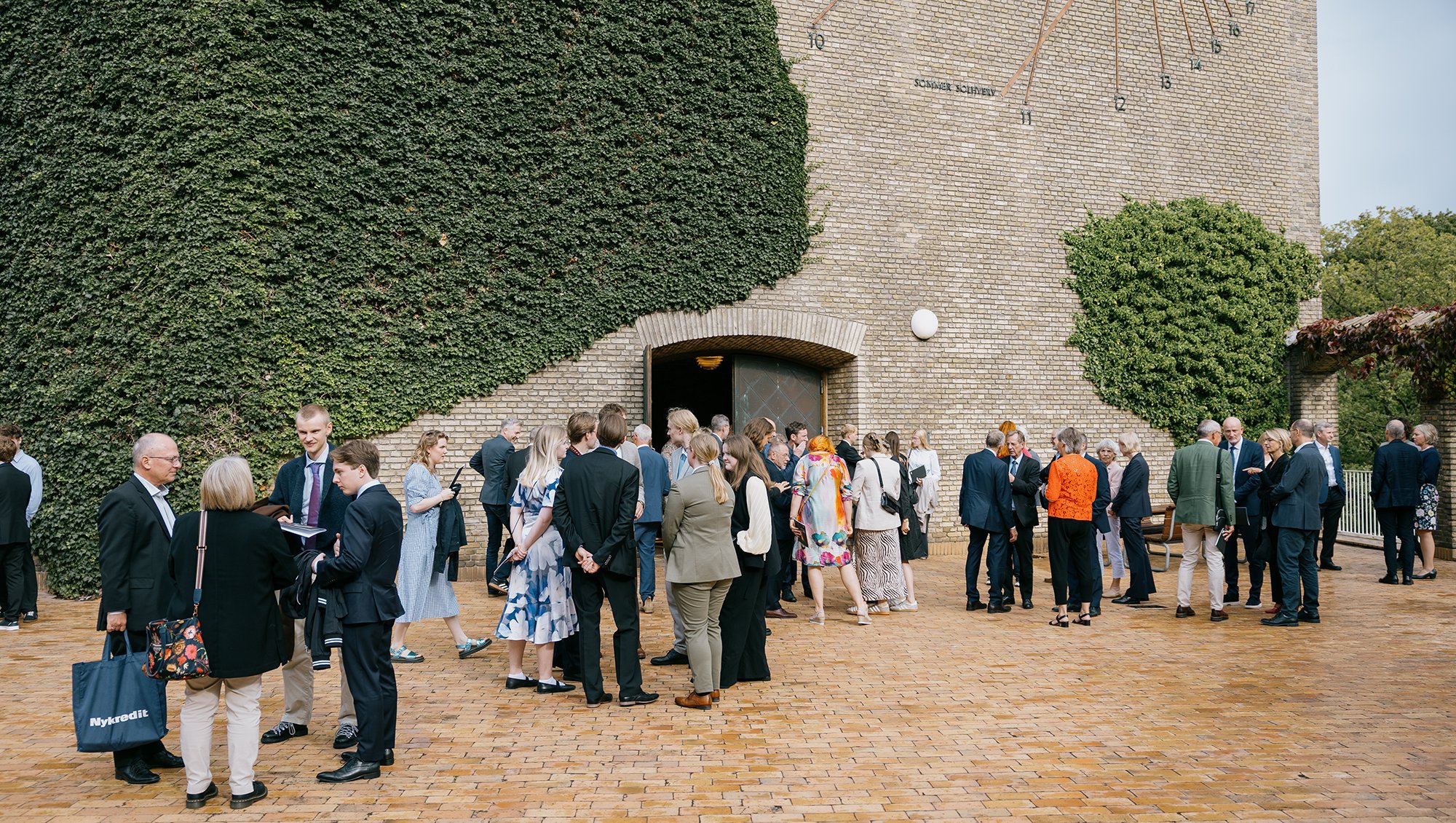
Friday 12 September was a day of celebration at Aarhus University for students and staff alike. There was a Friday bar as well as stand-up, and there were sports tournaments and concerts in the University Park. And there were speeches, traditions, awards presentations and the pomp and circumstance of the ceremony in the Main Hall. Throughout the day, the AU community celebrated celebrated the university, our community and student life – some in football jerseys, others in suits.
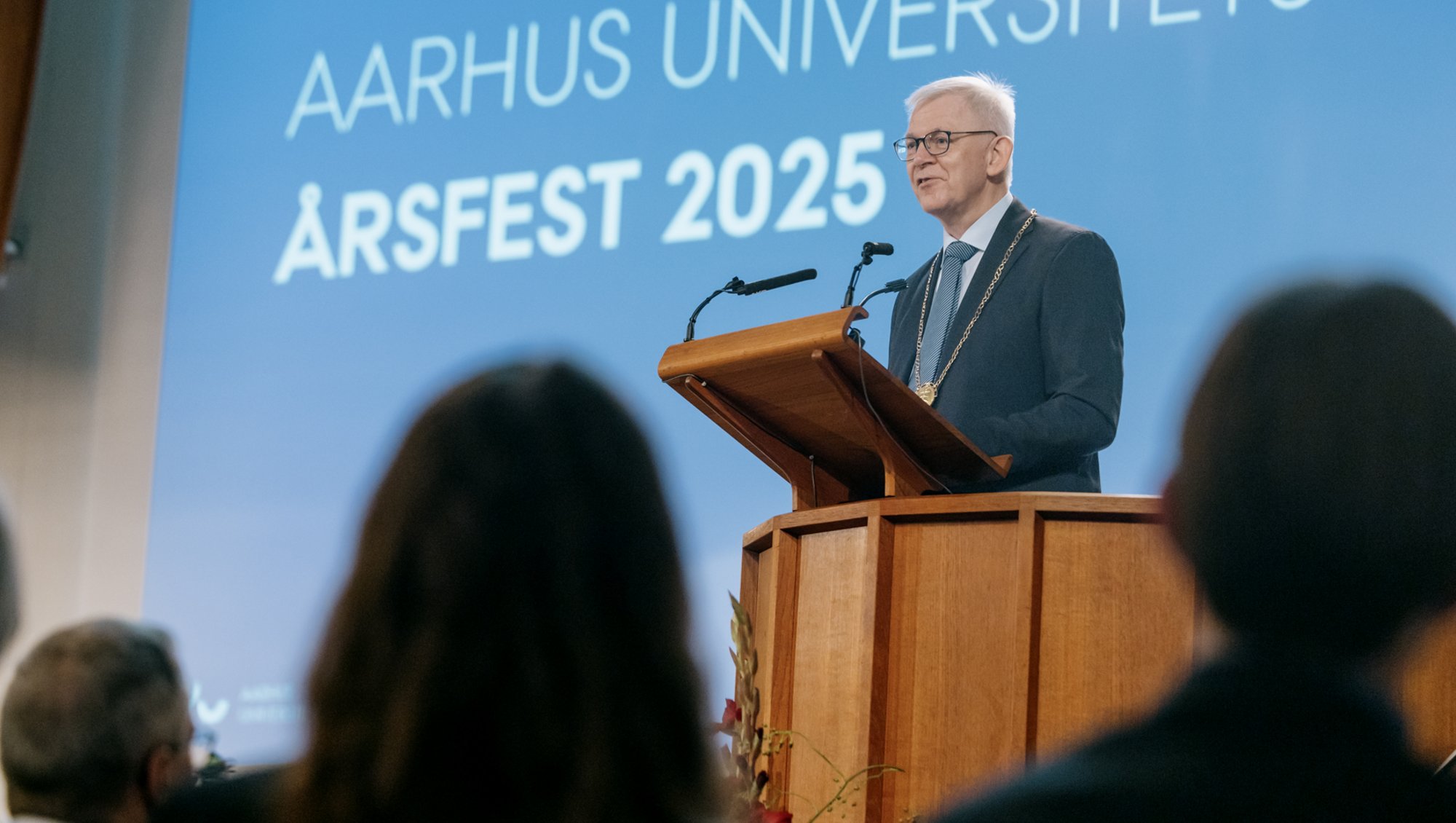
In the first speech in the Main Hall, AU board chair Birgitte Nauntofte thanked staff and students for their efforts over the past year, especially for their work on AU’s new strategy. She highlighted the ambitions for the development of the university’s campuses – and urged politicians to again be prepared to spend some of the financial reserves on curiosity-driven and long-term basic research.
“It may seem like a distant dream right now. But there will come a time after all the warmongering going on at the moment when new challenges will start to loom on the horizon. We don’t know what they will be, but this is the moment we have to prepare for them. There is absolutely no doubt in my mind that there are researchers — for example here at AU — who are already busy creating the knowledge that will be sought after,” said Birgitte Nauntofte, who echoed the prime minister’s message:
“Research. Research. Research.” Research what sparks your curiosity. Research what makes humanity smarter and wiser. Research what will make a better world for the next generations. Because it’s all about them,” said Birgitte Nauntofte.
Rector Brian Bech Nielsen: Opening of the EU Presidency a pat on the back for AU
Rector Brian Bech Nielsen talked about the symbolic value of Aarhus University being selected as the venue for the opening of the presidency of the Council of the EU. He interpreted that choice to mean that whatever else divides us in Denmark and in Europe, knowledge remains an essential foundation for our society.
“We all agree that universities benefit and enrich us all. Unfortunately, this is not something we can take for granted. It is not everywhere in the world that universities enjoy that kind of respect. To say the least. So the choice of Aarhus University as the venue for the opening of the Presidency of the Council of the EU I see not only as a pat on the back for Aarhus University and our architecture, but also as a vote of confidence in the culture of the universities. A vote of confidence that comes with obligations. And we will continue to live up to that confidence and trust,” he said.
Brian Bech Nielsen also touched on the importance of strengthening the conditions enabling research-based start-ups to take the next step and consolidate. This requires venture capital, which is why he is pleased that HEARTLAND, Norlys, Salling Group and Aarhus University Research Fund recently set up the venture capital fund Delphinus.
“This is a piece that has been missing in the East and Central Jutland ecosystem for knowledge-intensive innovation. The pieces are now in place and with considerable local backing. In short, we have the chance to create the most cohesive ecosystem for knowledge-intensive innovation and entrepreneurship in Denmark. And we must make the most of it – for the benefit of East and Central Jutland and the whole of Denmark. And ultimately also for the benefit of the Europe we welcomed into the Main Hall not so long ago,” Brian Bech Nielsen said.
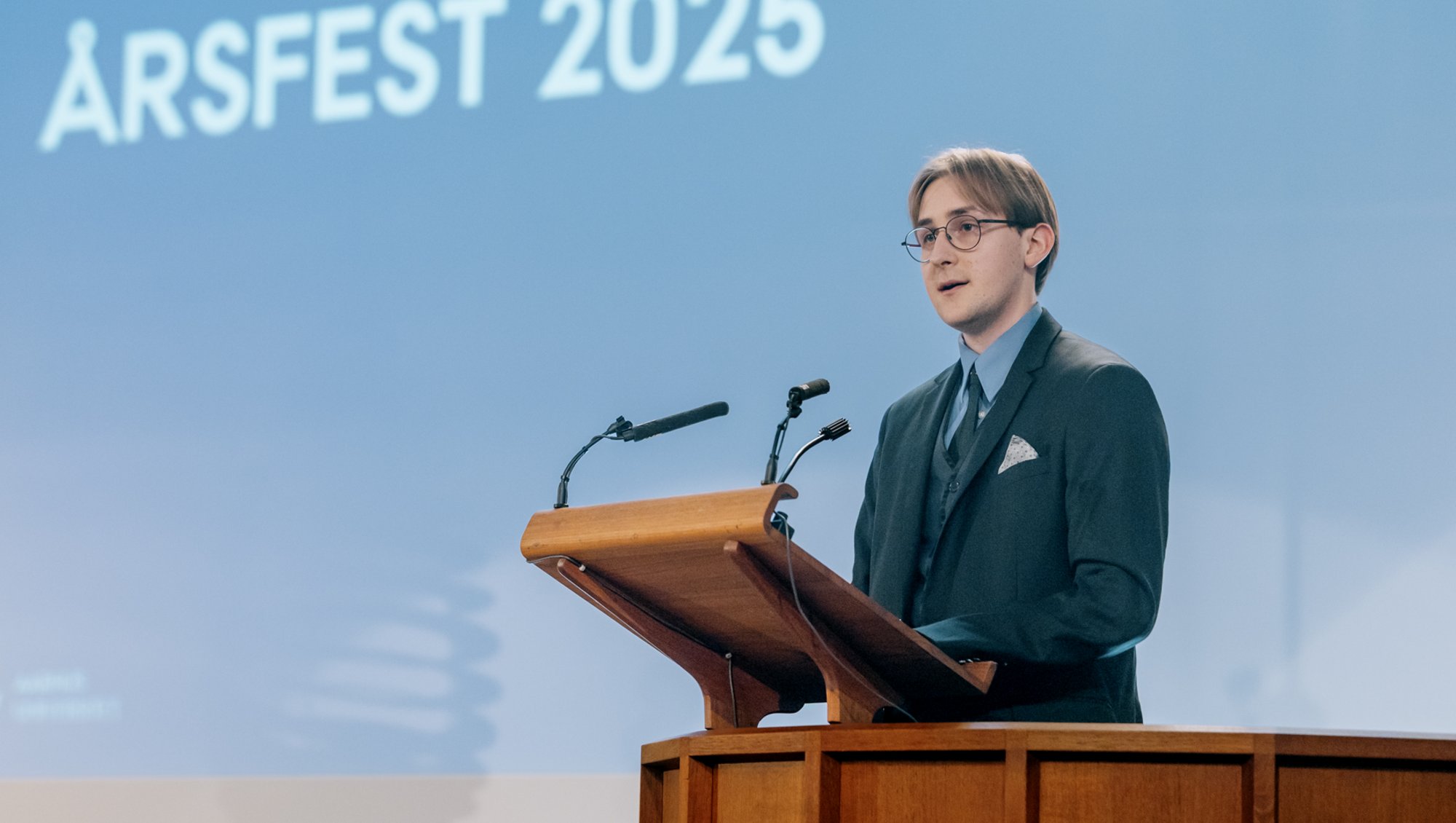
Student speaker Bálint Sosovicska: Education is not a commodity
Several students and members of staff are unhappy with the way that corporate terms and concepts such as “user groups,” “innovation,” “business ventures” and “competencies” have become part of the way we talk about the university. That was the message delivered by Bálint Sosovicska, a Master’s degree student in classical philology. He warned against a market-driven approach and against seeing education as a commodity to be sold to students, who are then sold as graduates to business and industry as the actual product. According to Bálint Sosovicska, we need to consider whether we can maintain our academic autonomy and integrity while still meeting the demands of society:
“We also need to redefine what we mean by “innovation” and “competencies” so that they do not just become empty buzzwords, but real values contributing to a meaningful learning environment. We must aim for a university culture in which students and lecturers have the right conditions for striving, side by side, towards the mission of the university as an institution of knowledge right from the beginning: Solidum petit in profundis. Only by holding on to our roots, which stand firm despite the changing trends of the times, can we ensure that Aarhus University remains an institution where both knowledge and people can flourish,” Bálint Sosovicska said.
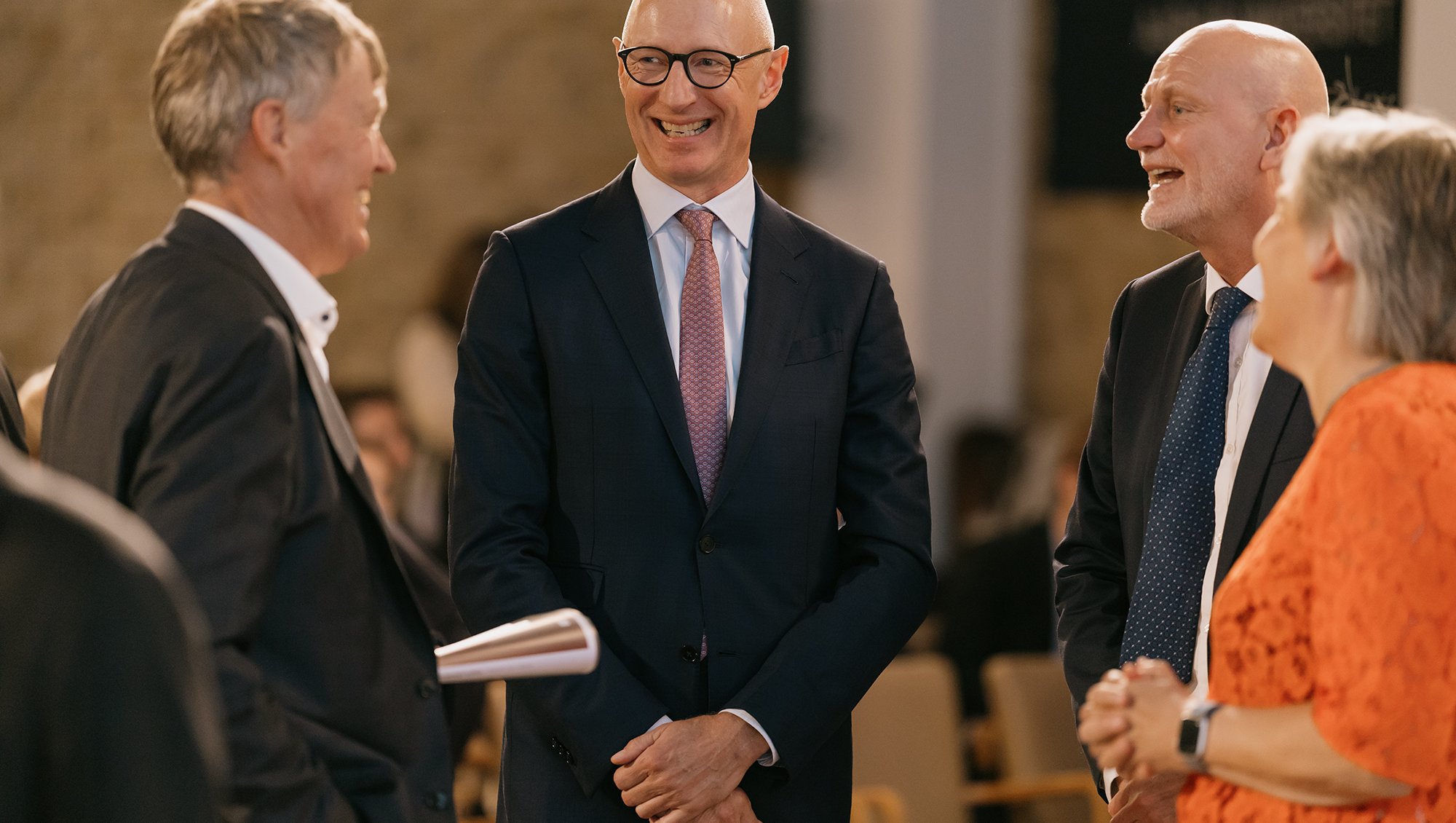
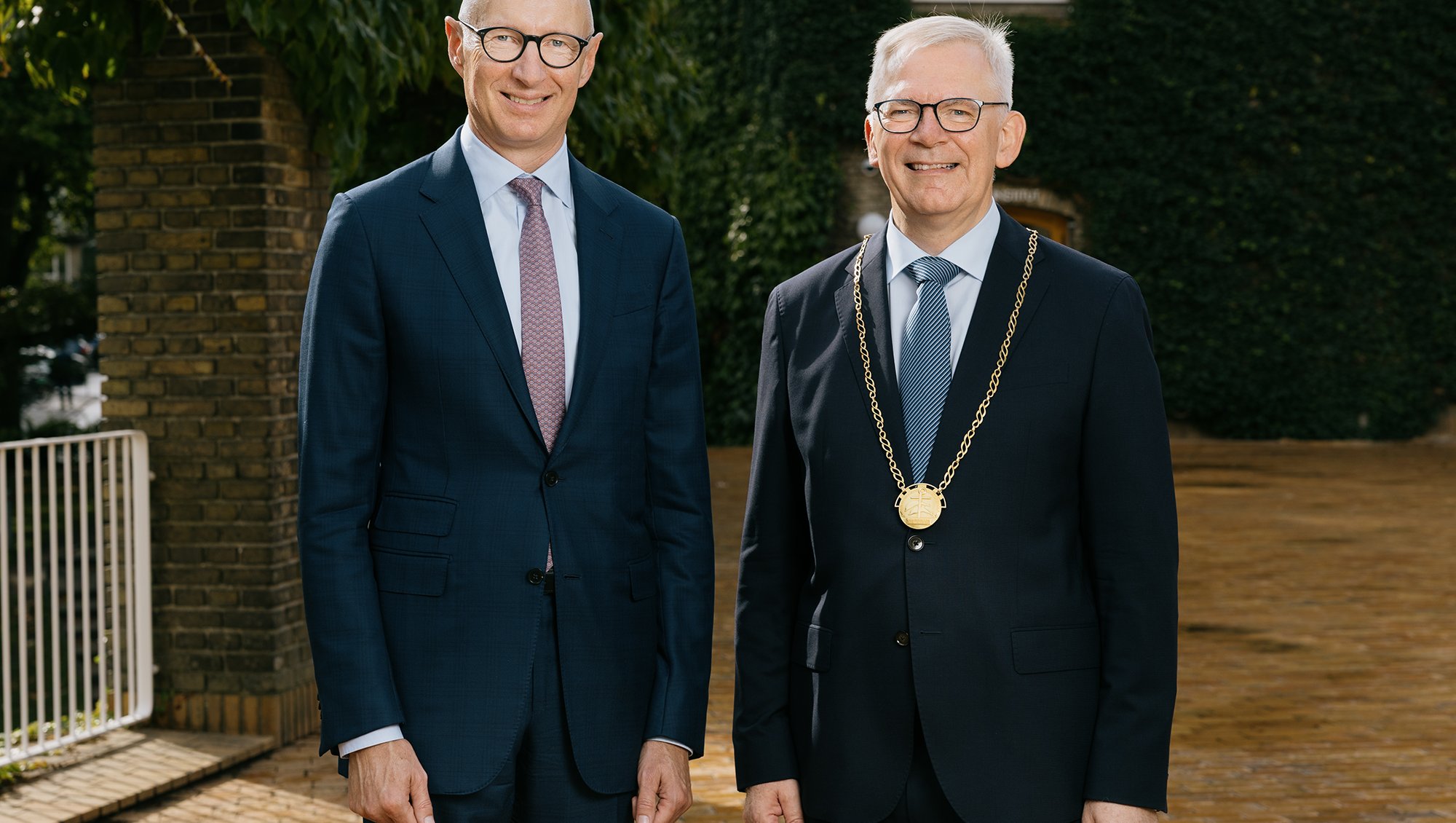
Distinguished alumnus Lars Fruergaard Jørgensen: My best friends are from my time at university
Lars Fruergaard Jørgensen, former CEO of Novo Nordisk, stressed in his speech that throughout his professional career he has benefited greatly from what he learned at AU. His most important takeaway was the academic approach to getting to grips with complex issues – the ability and belief that if you study something deeply and thoroughly enough, then yes, you will come to understand it. He also highlighted the social aspect of university life:
“In November I’m going to hear the Sandmen in concert with some of my friends from Aarhus University. We last heard the Sandmen live 35 years ago at Ridehuset in Aarhus – the same band and the same group of friends. I hope both the band and all us friends can live up to our expectations, which are high. My best friends today go back to my time at the Aarhus School of Business,” said Lars Fruergaard Jørgensen, who concluded by thanking the Aarhus School of Business and Aarhus University:
“The educational ballast I got here is the best I could possibly wish for, and for that I’m truly grateful. It’s said that with ability comes great responsibility. I have tried, to the best of my ability, to deliver a return on the investment Aarhus University made in my education.”
Read a portrait of Lars Fruergaard Jørgensen
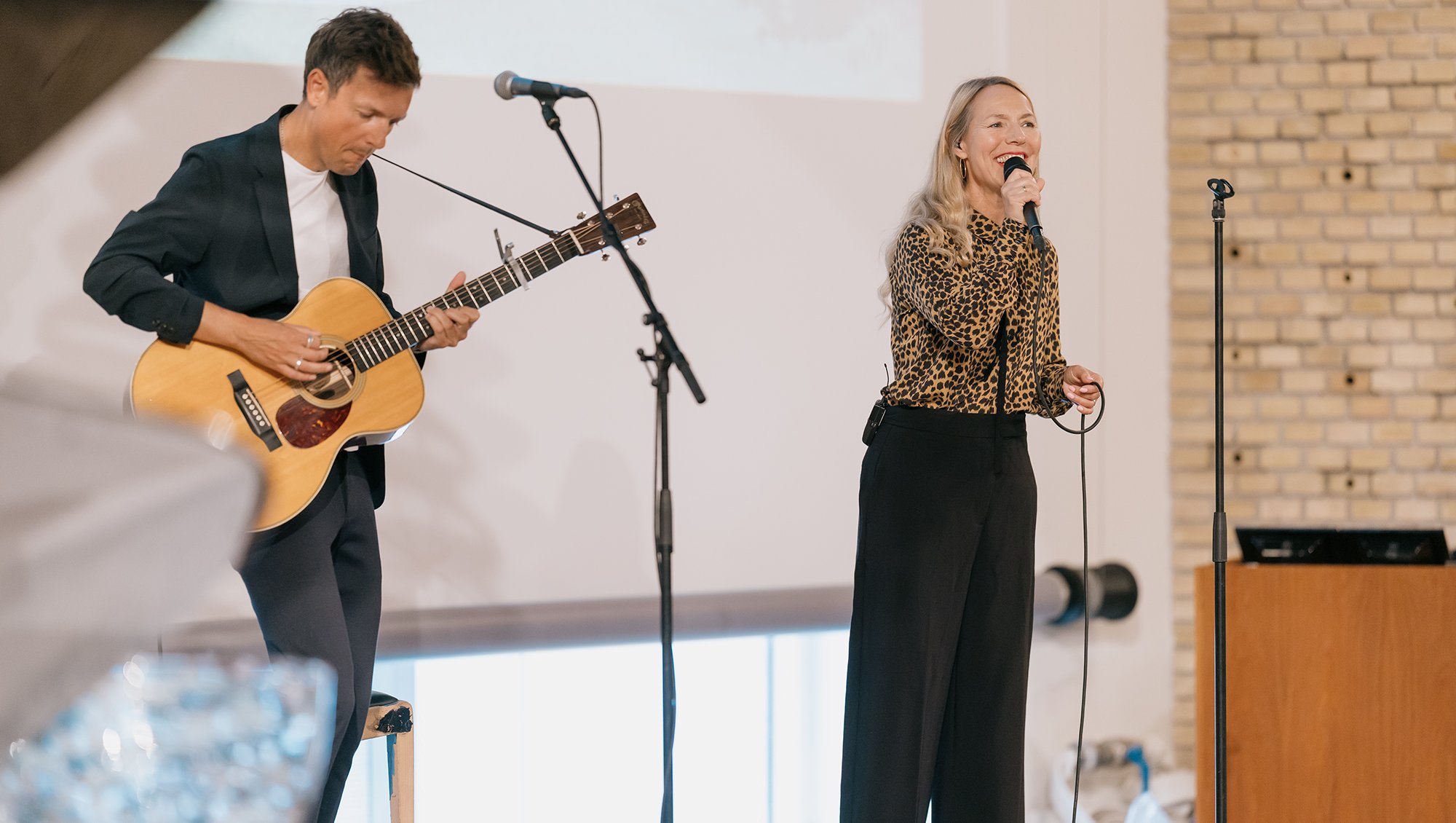
The annual celebration ended at Concert Hall Aarhus with a concert for staff and friends of the university featuring, among others, Søren Huss, Ella Augusta, Nicklas Sahl and Dorthe Gerlach — and a surprise visit by Benjamin Hav.
Other honours and awards
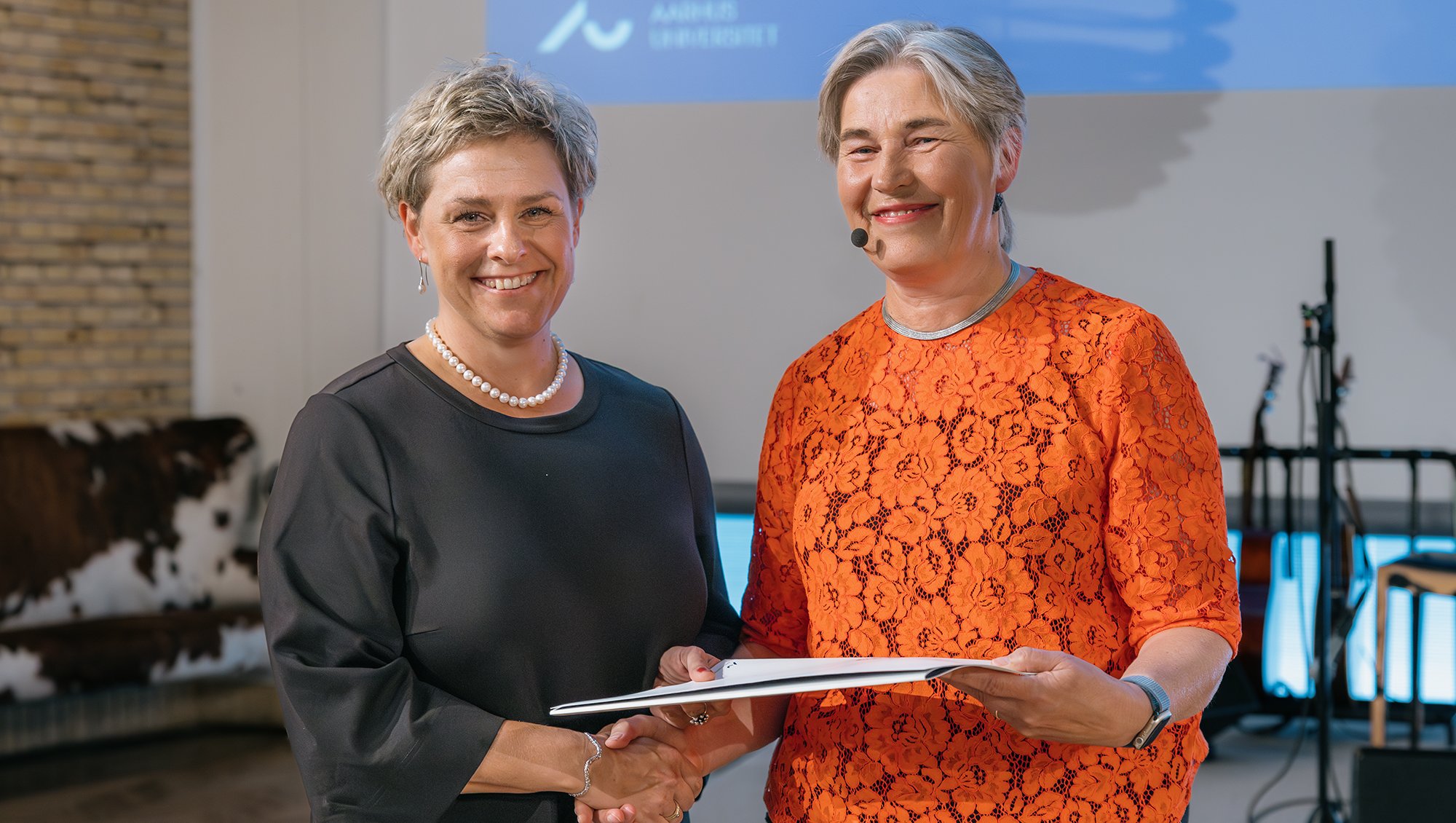
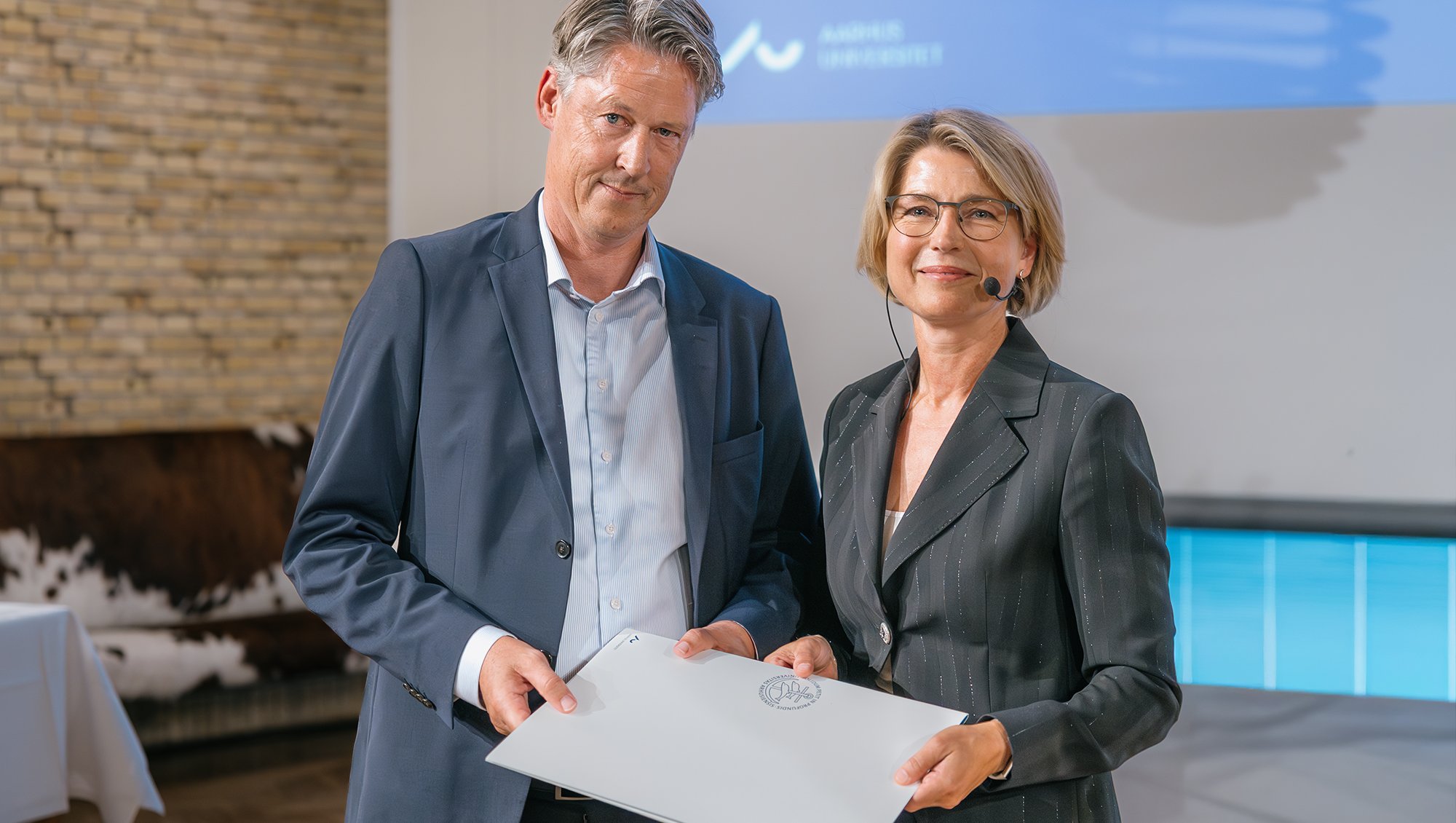
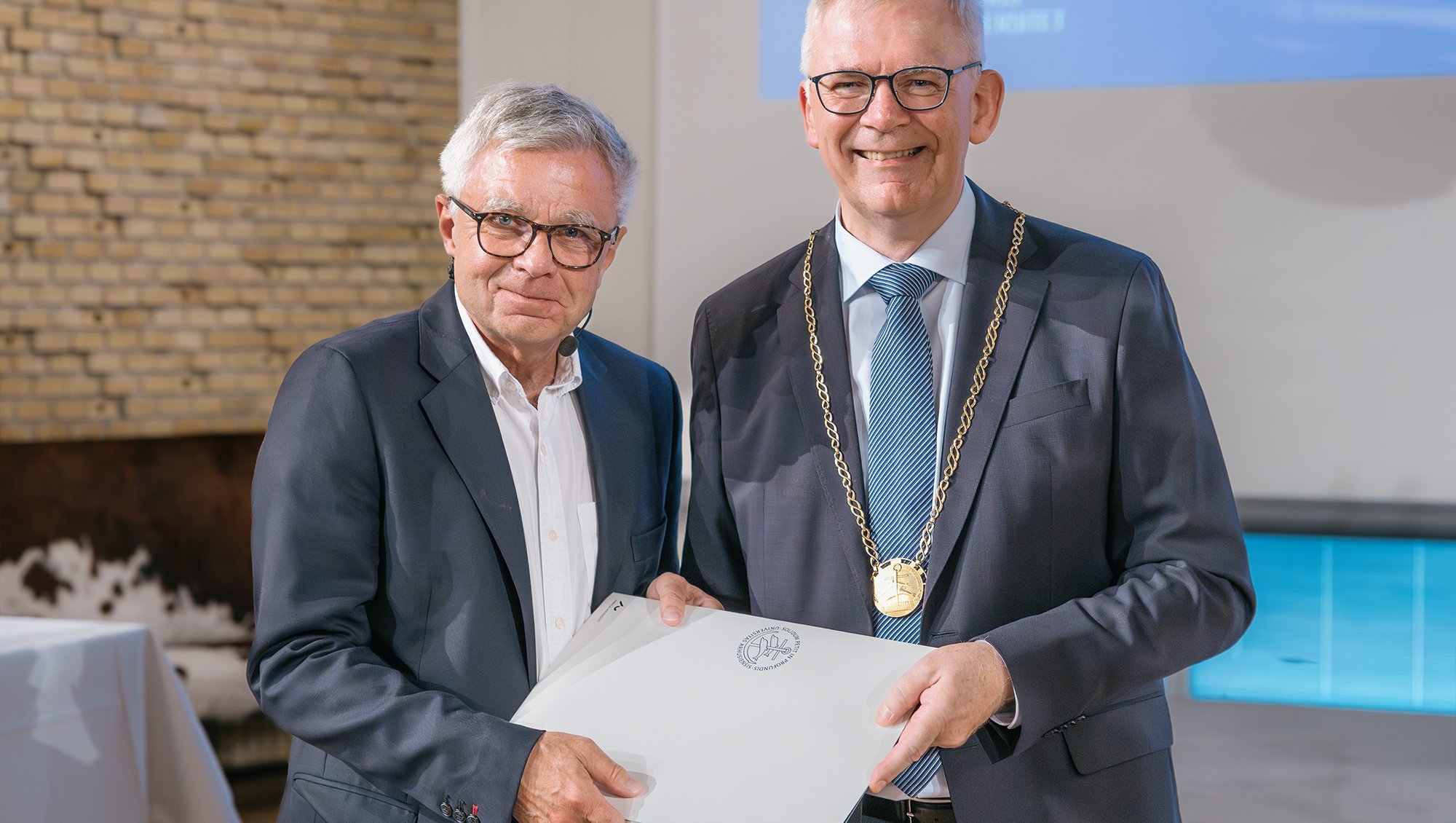
Michael Svarer, professor of economics, received the Else Kai Sass Award
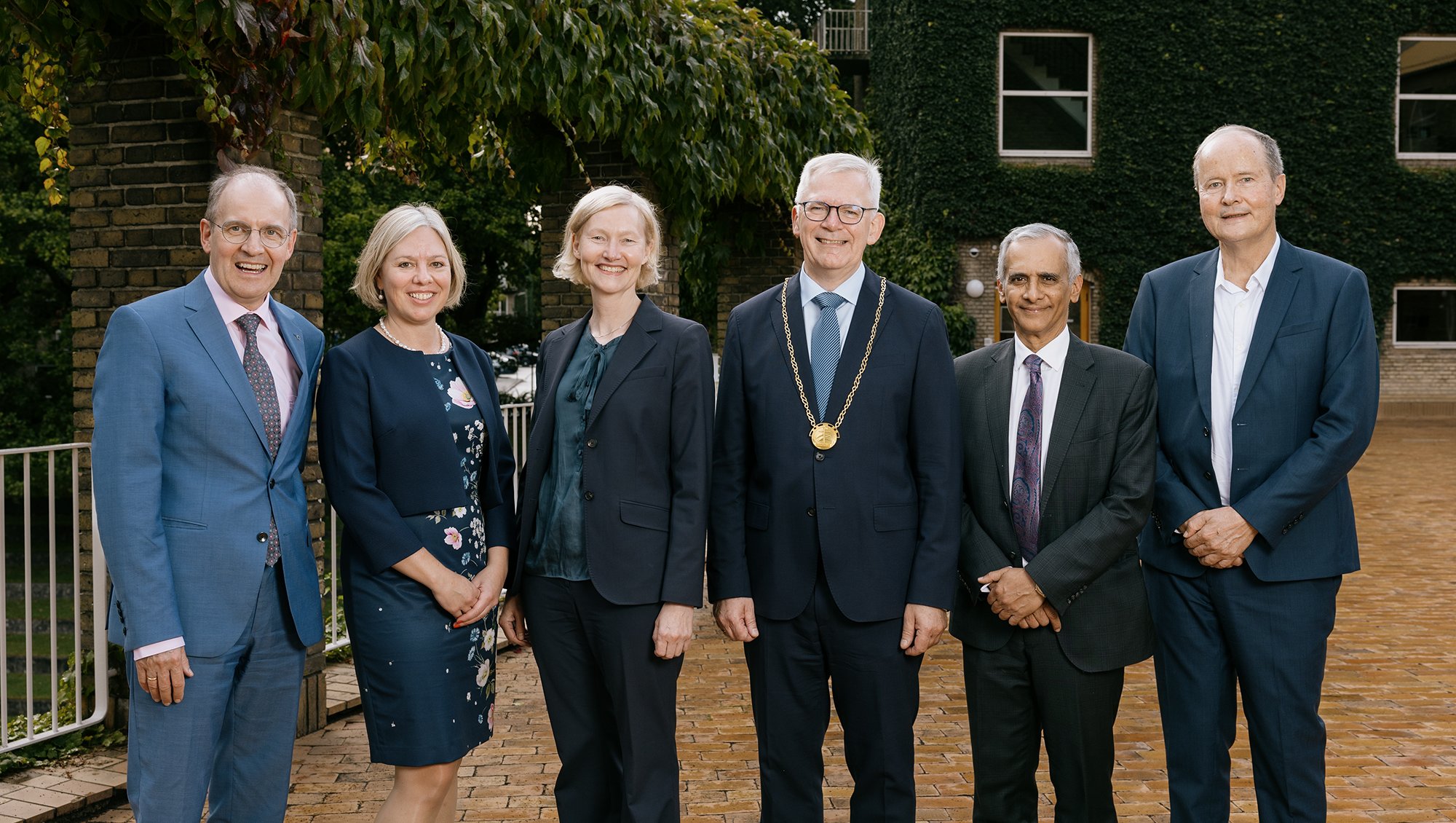
The following researchers were awarded honorary doctorates:
- Professor Jörg Rüpke, University of Erfurt, Germany (Arts)
- Dr Annette Vissing-Jørgensen, Senior Adviser, Federal Reserve Board, USA (Aarhus BSS)
- Professor Jacob George, University of Sydney, Australia (Health)
- Dr Lori Passmore FRS, Group Leader, MRC Laboratory of Molecular Biology, University of Cambridge, UK (NAT)
- Dr Jean-Francois Soussana, International Adviser to the INRAE CEO and Chair of the French High Council on Climate, France (Tech)
Read more about the recipients of Aarhus University’s honorary doctorates
Five students were presented with the HM Queen Margrethe II Travel Grant:
- Jakob Bach Jensen, Master’s degree student in archaeology, School of Culture and Society, Arts
- Alexander Bjerremann Petersen, Master’s degree student in political science, Department of Political Science, Aarhus BSS
- Maria Lorentsen, Master’s degree student in public health science, Department of Public Health, Health
- Frida Brøndgaard Nielsen, Master’s degree student in biology, Department of Biology, Natural Sciences
- Anton Niewald Mikkelsen, Master degree student in civil engineering, Department of Civil and Architectural Engineering, Tech